Student Homelessness in Utah: Trends, Disparities, and Opportunities for Action
Introduction
Utah’s rising housing costs and limited supply of affordable housing continue to shape student homelessness across the state, even as annual counts fluctuate.
We analyzed data from the Utah State Board of Education (USBE) and Ed Data Express from school years (SY) 2017–18 to 2025–26 to understand the prevalence, characteristics, and educational experiences of students experiencing homelessness (under the McKinney-Vento definition), along with policy considerations. Our findings underscore that mitigating student homelessness requires sustained investment and coordinated action across education, housing, health, and community systems. See the full report for a more comprehensive analysis.
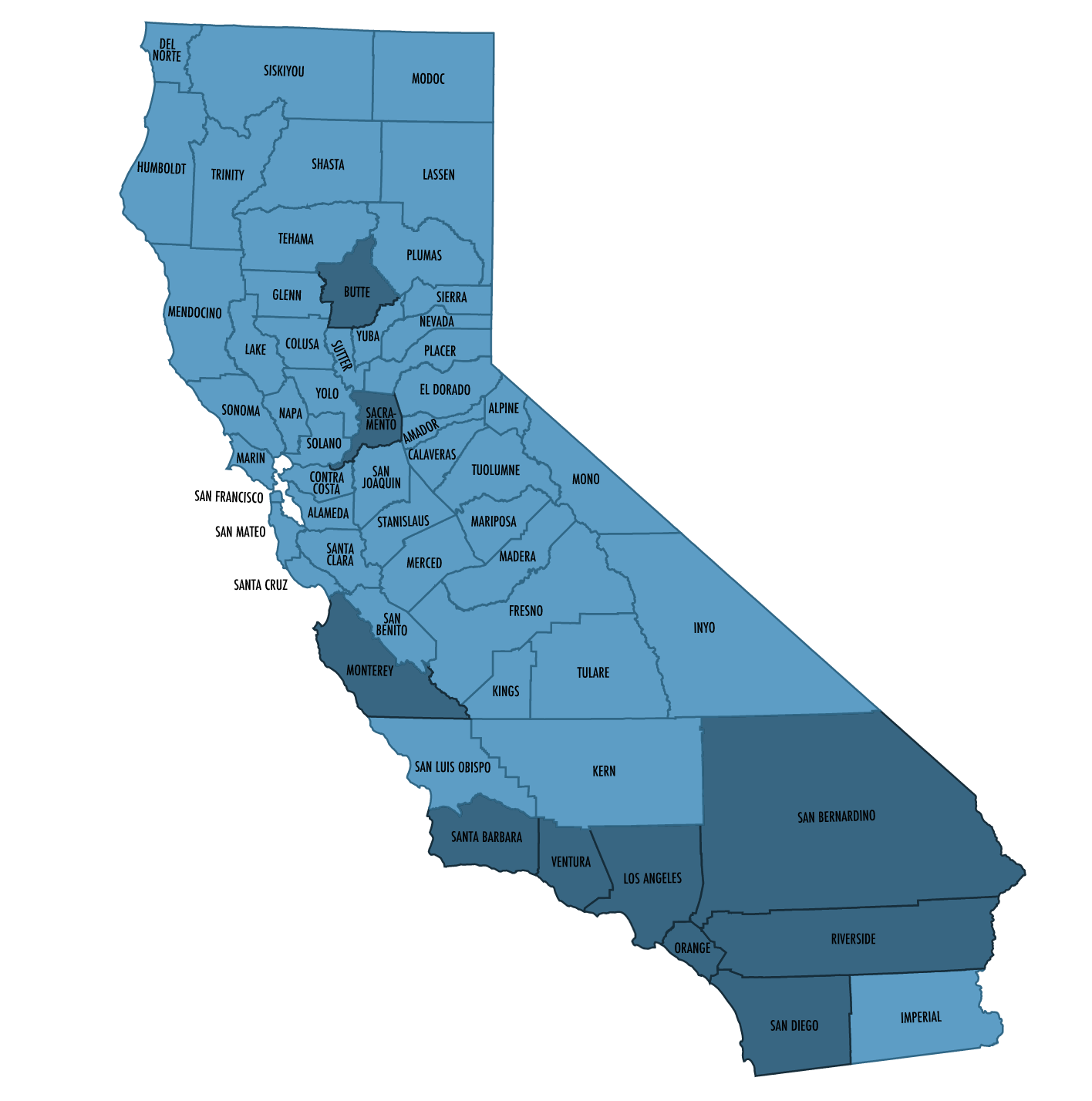
This analysis is part of a larger study on student homelessness in the West. Explore the analyses for Arizona, California, and Nevada.
Key Findings At a Glance
Policy Considerations
Standardize statewide student housing identification practices.
Adopt a uniform statewide housing questionnaire administered to all families during annual enrollment and registration, drawing on best practices from Jordan School District and neighboring states. District-level discretion currently leads to inconsistent screening and underidentification, especially among doubled-up families.
Align homeless student counting methodologies with federal and state standards.
Transition public reporting from single-day Point-in-Time snapshot counts (e.g., October 1) to cumulative annual counts as required under McKinney-Vento. Cumulative reporting captures all students experiencing homelessness throughout the full school year, providing a clearer picture for policy planning and resource allocation.
Strengthen state data systems and public reporting.
Enhance the timeliness, accessibility, and transparency of USBE public datasets regarding student homelessness. Reducing reliance on lagging federal data tools will enable districts, policymakers, and researchers to assess emerging trends and monitor educational outcomes effectively.
Initiate statewide cross-sector coordination.
Formalize coordination across education, housing, and youth service systems by creating an integrated framework that connects USBE, the Utah Office of Homeless Services, Continuum of Care programs, and advocacy coalitions. Aligning these systems will ensure streamlined service delivery and dedicated focus on student housing insecurity.
Address disproportionate homelessness among Native American/Alaska Native students in rural Utah.
Prioritize culturally responsive, place-based investments in rural communities with severe disparities, such as San Juan County. Expand rural transportation assistance, emergency housing linkages, and direct partnerships with tribal governments and Native American– and Alaska Native–serving organizations.
Evenly adopt restorative practices across school districts.
Embed McKinney-Vento requirements and tailored supports directly into existing positive behavioral interventions and supports and multi-tiered systems of support frameworks. Expanding restorative discipline and trauma-informed practices statewide can help reduce chronic absenteeism and curb exclusionary discipline.
Media Contacts
Geneva Sum
Communications Director, UCLA Center for the Transformation of Schools
UCLA School of Education and Information Studies
424-259-5836
gsum@gseis.ucla.edu
John McDonald
Director, Sudikoff Institute
UCLA School of Education and Information Studies
310-880-5332
jmcdonald@gseis.ucla.edu
About the American Institutes for Research West Comprehensive Center
This study was produced through CTS’s partnership with the American Institutes for Research as part of the West Comprehensive Center, a federally funded project providing state, district and school leaders support to implement and sustain evidence-based programs and practices, with the goal of improving outcomes for educators and students.