Digital Equity and Wellbeing in Schools
Introduction
How can schools support young people to thrive in a digital world without widening inequities or relying on restriction alone?
The Digital Equity and Wellbeing in Schools project explores how schools and systems can support students build and develop healthy, safe, and empowering relationships with technology.
This work bridges research, policy, and practice to help leaders move beyond bans and toward approaches that center student agency, science, and equity. CTS is analyzing strategies that promote focused learning, digital wellness, and belonging from evidence-based guidance and community-informed tools. As this portfolio grows, it will continue to elevate models that help schools and youth-serving systems build digital environments where all young people can learn, connect, and thrive.
Publications
Strengthening K-12 Cellphone Policies to Support Student Learning and Well-Being: Research-Based Guidance for U.S. Education Leaders
Cellphones are a constant presence in students’ lives. They offer powerful opportunities for learning and connection while also raising concerns about focus, stress, and safety. This research brief from UCLA CTS and the UC|CSU Collaborative for Neuroscience, Diversity, and Learning translates developmental science and policies into practical guidance for K-12 leaders, sharing evidence-based strategies to design age-appropriate, equitable policies that support focused learning, healthy digital habits, and student well-being. Rather than relying on blanket bans, the brief shows how thoughtful policy design can help schools harness technology’s benefits while reducing harm.
CDPH Digital Futures Curriculum & Implementation Pilot
How can we help California’s youth shape healthy, safe, and self-determined digital futures?
California’s young people are navigating an increasingly complex digital world without a unified, evidence-informed system to support their wellness, safety, agency, and equitable participation. In response, increasingly restrictive policies around cell phones, social media, and artificial intelligence have emerged—approaches that may limit use but do little to help young people develop the knowledge and skills needed to thrive in digital environments. Families and youth-serving adults are expected to teach healthy digital practices while at the same time being told the best solution is avoidance. These mixed messages, coupled with disparities in access, representation, and adult support, create uneven risks and opportunities that deepen existing social, economic, and health inequities.
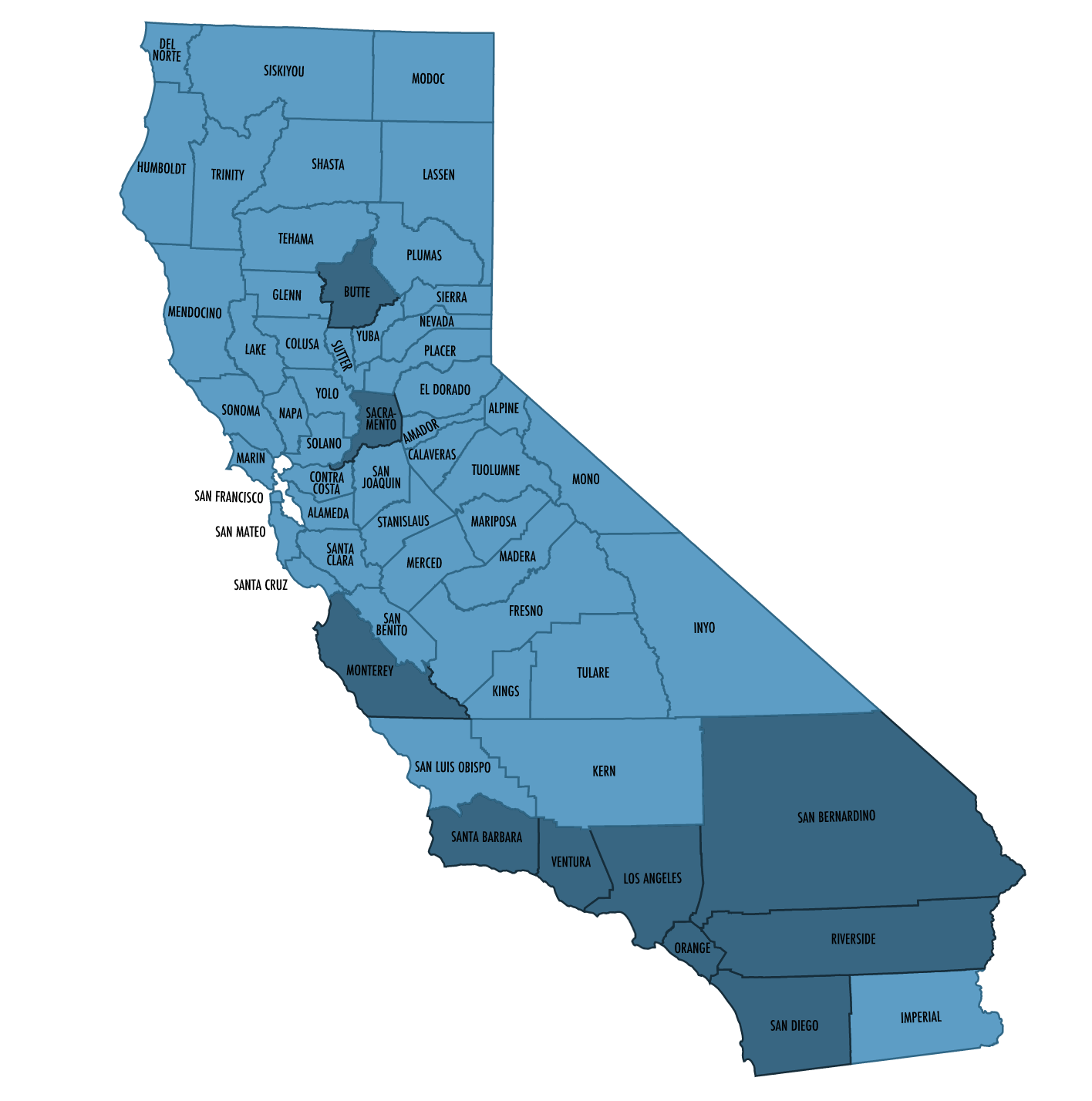
CTS is collaborating with the Office of School Health at the California Department of Public Health (CDPH) to design a comprehensive curriculum, Digital Futures: A Curriculum for Child & Youth Wellness, Safety, and Informed Use, that addresses these challenges. This work supports CDPH’s implementation of the Behavioral Health Services Act and Assembly Bill 1282, which call for prevention-focused behavioral health initiatives and attention to the mental health impacts of social media on children and youth. Our goal is to develop an evidence-informed curriculum shaped by youth, communities, and practitioners, and grounded in restorative, relational, and equitable practices. Using a public health approach and a youth developmental lens, the Digital Futures curriculum will serve as a resource for classrooms, families, and youth-serving community spaces to advance wellness, safety, and self-determined digital use.
In Fall 2026, CTS will launch an implementation and early learning pilot of the Digital Futures curriculum with support from the office of California Governor Gavin Newsom, putting the resource into practice with youth and adults in real-world settings. The pilot will focus on understanding how the curriculum is used and experienced—including its reach, uptake, usability, engagement, accessibility, developmental fit, and practical relevance—while identifying the supports and conditions that enable effective implementation. Findings will capture feedback from facilitators and participants, examples of how materials are adapted or integrated, and early barriers and enabling conditions. Rather than seeking to demonstrate short-term behavioral or causal outcomes, this first phase will generate credible implementation evidence and actionable lessons to strengthen the curriculum, inform broader dissemination, and lay the groundwork for a more robust second phase of implementation and evaluation.
We believe that when youth-serving systems adopt an equity-centered, harm-reduction approach, they intentionally cultivate students’ digital well-being, agency, belonging, safety, and literacy. This equips young people with the knowledge to use technology safely and purposefully—leading to deeper learning, stronger connections, reduced digital harm, and stronger overall well-being.