Students Experiencing Homelessness
About the Project
Explore our new studies on student homelessness in the West:
Arizona
California
Nevada
Utah
This project examines the scale and patterns of student homelessness across California and the Southwest, including tracking trends over time, surfacing geographic and demographic disparities, and understanding how homelessness impacts academic outcomes and school engagement. Through data analyses and interviews with stakeholders, we assess both the challenges these students face and how well our current systems are recognizing and responding to their needs.
Our goal is to provide guidance for policymakers, administrators, educators, and homeless liaisons on effective strategies for identifying vulnerable students, targeting interventions, tracking progress, and measuring success locally and statewide.
Publications
Student Homelessness in the West
Student Homelessness in Arizona: Understanding and Supporting Students Experiencing Homelessness Beyond the Count
After reaching a record high in the years following the pandemic, student homelessness in Arizona declined in the most recent school year but remains above prepandemic levels. Rates continue to rise among Black/African American and Native American/Alaska Native students. Graduation rates for students experiencing homelessness are improving but below national levels.
Student Homelessness in California: A Growing Statewide Challenge
Student homelessness in California has reached a record high and now exceeds prepandemic levels. Black/African American and Native American/Alaska Native students experience the highest rates of homelessness. Students experiencing homelessness in California are less likely to meet college eligibility requirements than their housed peers.
Student Homelessness in Nevada: Trends, Disparities, and Educational Outcomes
After significant pandemic-era fluctuations, identified student homelessness in Nevada has reached its lowest level in several years. Achievement gaps between students experiencing homelessness and their housed peers have persisted and in some cases widened. The share of high school students experiencing homelessness has steadily increased.
Student Homelessness in Utah: Trends, Disparities, and Opportunities for Action
Identified student homelessness in Utah fell notably in the most recent school year, though differences in district identification practices may mean some students are not captured in the data. Native American/Alaska Native students experience the highest rates of homelessness and Hispanic/Latine students represent the largest number of students experiencing homelessness.
Student Homelessness in California
State of Crisis 2026: A Deepening Crisis of Students Experiencing Homelessness Across California
Nearly 300,000 California K-12 students experienced homelessness in the 2024-25 school year, a new statewide high and a 10% increase from before the pandemic. Our 2026 analysis highlights the top 10 districts and counties with students experiencing homelessness, pinpointing ideal focus areas for the state. This update to our 2020 State of Crisis report examines what has changed since 2020, which student groups are most impacted, and what the data now demands from California’s leaders and student-serving systems.
Hidden in Plain Sight: Fear, Underidentification, and Funding Gaps for Housing-Insecure Students in Los Angeles County
We spoke with school- and county-based homeless liaisons to help examine how stigma, fear, and fragmented systems contribute to the underidentification of students experiencing homelessness. Findings highlight persistent gaps between policy and practice, with more than 61K students in Los Angeles County identified as experiencing homelessness in the 2023–24 school year.
Rising Numbers, Fading Resources: Students Experiencing Homelessness in Los Angeles County
Using statewide and district-level data, this brief analyzes rising rates of student homelessness by outlining trends in student demographics, attendance, and academic outcomes. Findings present disparities across student groups and growing challenges for districts as needs increase and resources decline.
No Shame or Stigmas: Prioritizing Students Experiencing Homelessness in Long Beach Unified and Monterey County
This brief highlights state and school officials’ perspective to examine relevant challenges, policies, and practices related to the youth homelessness crisis. In addition to identifying pertinent challenges, participants provided insights into established and emerging practices and approaches that have been effective in meeting the needs of homeless youth.
State of Crisis: Dismantling Student Homelessness in CA
We interviewed 150 stakeholders from across the state to develop a clear picture of the underlying challenges facing students experiencing homelessness, and patterns and geographic needs across the state.
State of Crisis: Understanding District Educational Patterns for CA Students Experiencing Homelessness
This policy brief builds upon our 2020 analysis of student homelessness statewide to examine district-level data for 10 districts across the state.
Student Homelessness Nationwide
1.37 Million and Rising: Understanding the National 25% Spike in Student Homelessness
This brief examines a 25% nationwide surge in student homelessness affecting nearly 1.4 million youth. We suggest urgent policy solutions to address racial inequities, root causes, and gaps in federal support. It expands on our California-focused research to highlight national trends and actionable strategies.
Student Homelessness in the West
Student homelessness is a major concern in the West. The impact on learning, graduation, and school stability is consistent and deeply uneven.
This study examines student homelessness in Arizona, California, Nevada, and Utah from before the pandemic through SY 2025-26, revealing academic and school climate trends, disparities by race and geography, and the forces driving youth homelessness.
Across all four states, housing instability tracks with lower academic achievement and graduation rates, and higher rates of chronic absenteeism and suspension. Striking racial and geographic disparities shape which students are most affected, with Native American/Alaska Native and Black/African American students experiencing disproportionately high rates. The growing cost of housing and shortages of affordable homes emerge as key structural drivers in the region.
Explore each state:
Arizona | California | Nevada | Utah
This study was produced through CTS’s partnership with the American Institutes for Research as part of the West Comprehensive Center, a federally funded project providing state, district and school leaders support to implement and sustain evidence-based programs and practices, with the goal of improving outcomes for educators and students.

Interactive County Map of CA Students Experiencing Homelessness
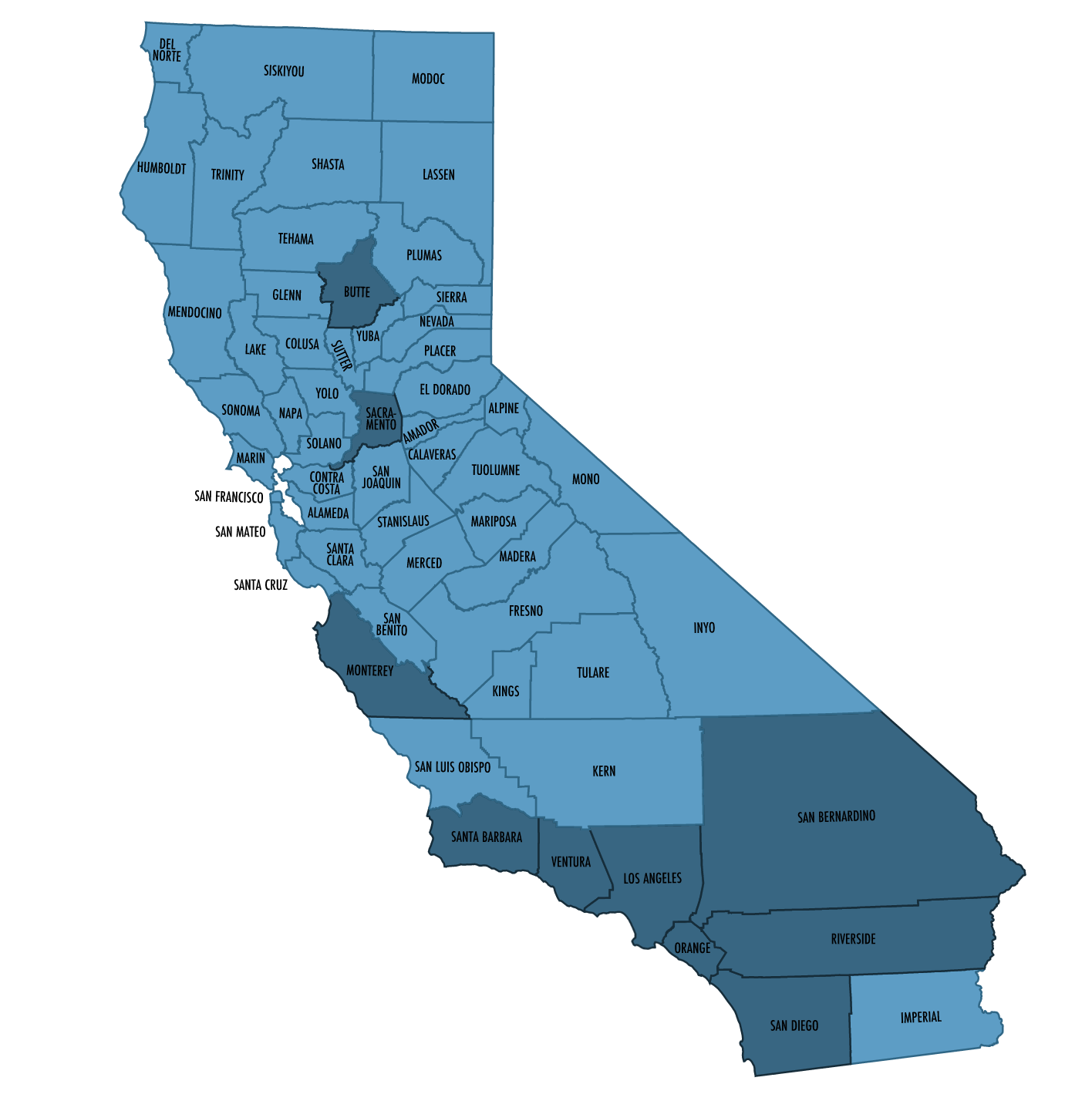
This interactive map on student homelessness in K-12 schools in California shines a light on the staggering number of young people impacted by housing instability across all 58 counties during the 2018-2019 and 2017-2018 academic years. Over 269,000 students are homeless in California, number that will likely increase as a result of job instability and unemployment related to the virus and is higher than any other state in the country. COVID-19 has the potential to exacerbate pre-existing inequities apparent by race and income.
The map captures county profiles, with data disaggregated by race and ethnicity. Patterns in state data show the relationship between student homelessness and key school climate and academic readiness indicators including: suspension rates, chronic absenteeism rates, graduation rates and students who graduate UC/CSU eligible.
Related Work