Unlocking Opportunities: How Dual Language Immersion Can Promote Equity and Integration
Introduction
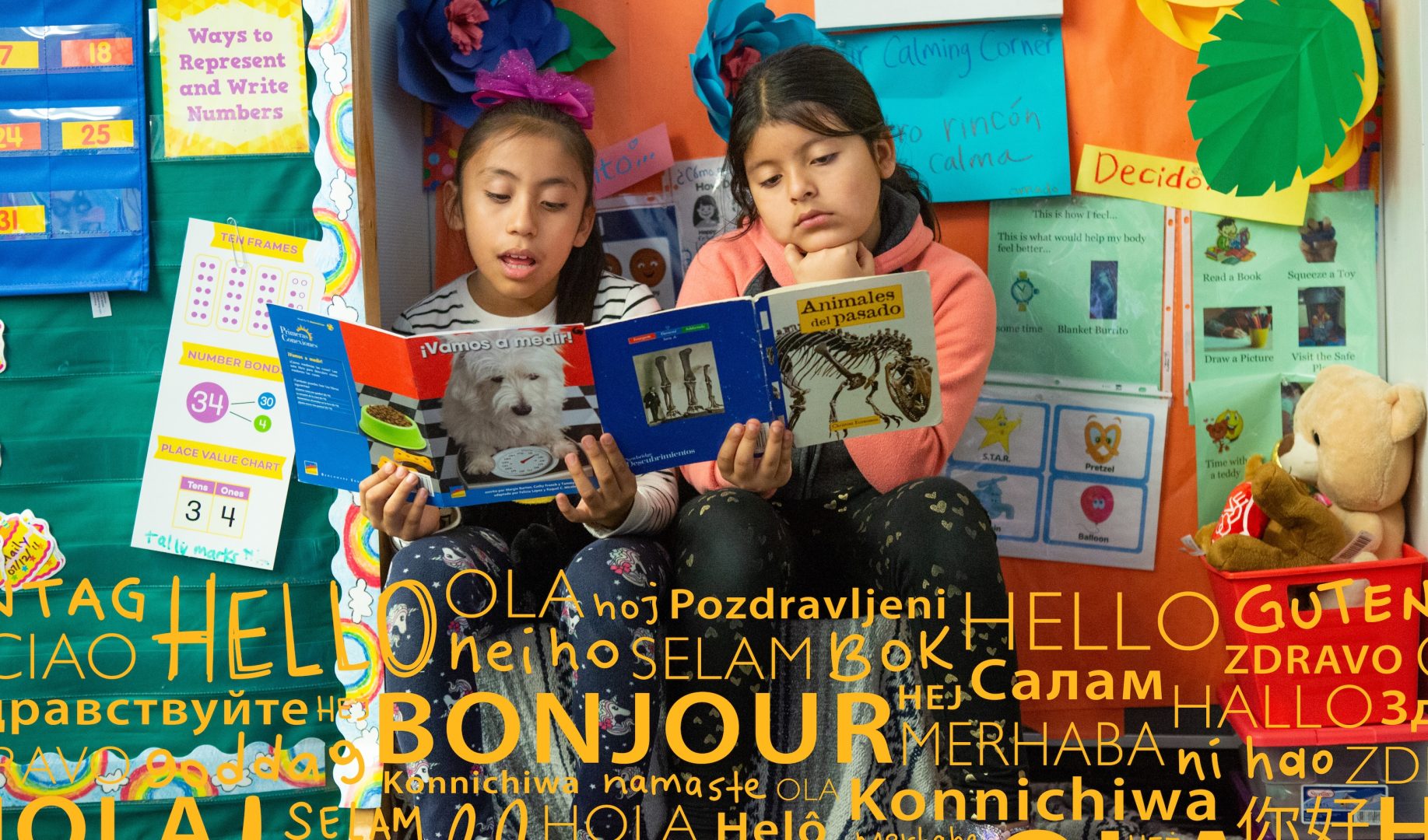
This new policy brief examines both the promise and equity challenges of Dual Language Immersion (DLI) programs in Los Angeles Unified School District, home to the highest number of DLI programs in the nation.
Drawing from 2 decades of enrollment data, the research highlights demographic trends, community access, and what barriers—like transportation, school choice, and outreach—limit access for certain students.
The brief offers actionable recommendations to help school and district leaders ensure DLI programs remain inclusive, community-rooted, and resistant to gentrification.
Findings
DLI expansion post–Prop. 58, which repealed English-only instruction, has benefited English learners, especially in low-income neighborhoods.
School choice policies have broadened access to DLI programs, but can unintentionally favor families with greater resources.
Outreach gaps and lack of transportation disproportionately impact marginalized communities.
Integration remains limited, especially for African American students, who remain underrepresented across DLI programs.
Recommendations for Policy & Practice
Improve access to DLI programs through transportation initiatives and linguistically inclusive outreach.
Balance integration with equity by using weighted lotteries and rethinking program design.
Invest in culturally responsive curricula that reflect all student communities.
Train educators to develop critical consciousness and combat deficit thinking in DLI classrooms.
Related Work