Leveraging LCFF Funding to Implement Comprehensive School Counseling: A Case Study of Livingston Union School District
Introduction
What outcomes are possible when a school district makes comprehensive school counseling the cornerstone of student support?
In Livingston Union School District (LUSD), a small, high-need district in California’s Central Valley, leaders have invested in a collaborative, equity-driven counseling model that is rooted in the American School Counselor Association (ASCA) National Model. Through sustained funding, strong leadership, and clearly defined counselor roles, LUSD has seen measurable improvements in school climate and student well-being—even with the overall challenges post-pandemic. LUSD has emerged as a model for how comprehensive, equity-centered school counseling can drive meaningful outcomes for diverse student populations.
This case study explores how Livingston’s approach offers valuable lessons for districts across California and beyond through analysis and data, interviews with counselors like lead counselor Ms. Alma Lopez and Superintendent Andrés Zamora, and quantitative outcomes. The district’s investment in school counseling has led to reductions in discipline and chronic absenteeism rates.

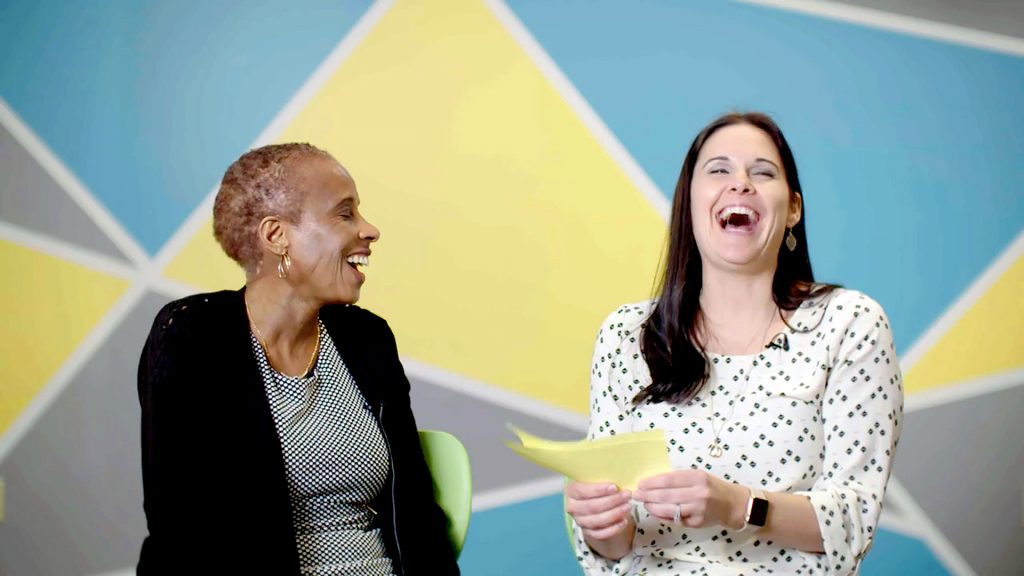
 Caption: A mural in Livingston, CA.
Caption: Student in classroom, Livingston Middle School, Livingston, CA.
The Impact of School Counseling
Administrators, counselors, teachers, and parents across Livingston Union emphasized:
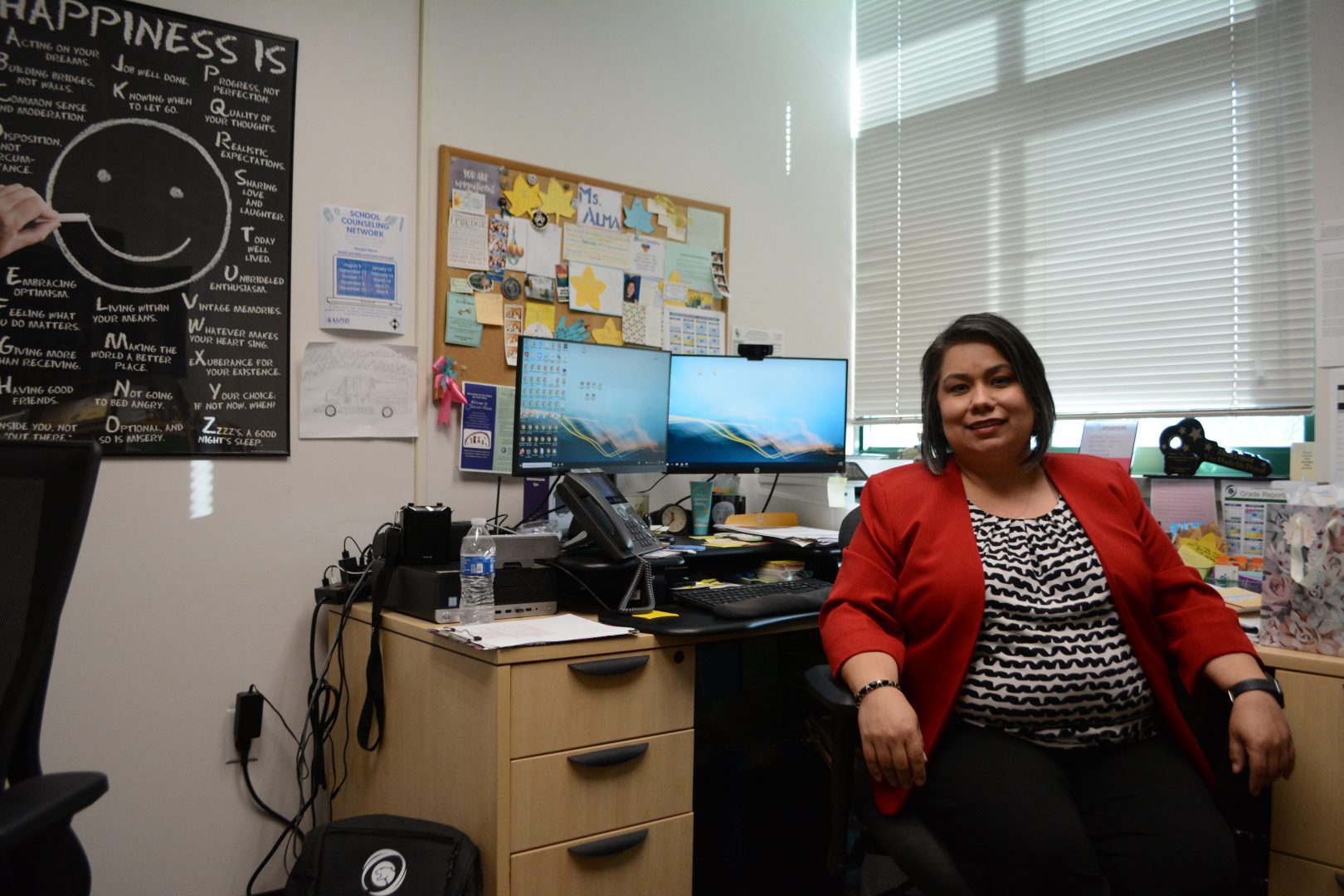
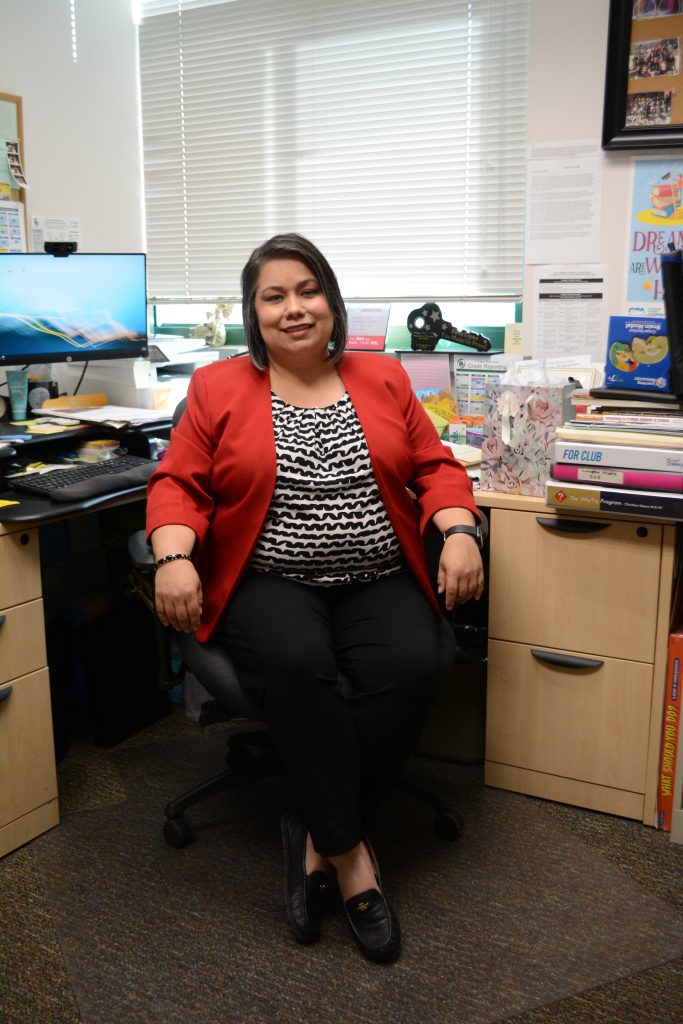 Caption: Lead Counselor Alma Lopez, Livingston Middle School, Livingston, CA.
Video: Livingston USD Makes School Counseling a Cornerstone of Student Support
Watch how Livingston’s leaders, counselors, and families are transforming student support in a rural community.
Key Findings
Chronic absenteeism rates surged after COVID-19, but are now improving.
Rates rose from 4.9% in 2019 to 18.3% in 2023, before declining to 14.2% in 2024.
Certain subgroups—including English learners, Latine students, and students with disabilities—were disproportionately affected.
LUSD has been recognized as a “Bright Spot” district by the California Collaborative for Educational Excellence, AttendanceWorks, and UC Davis for maintaining lower absenteeism compared to statewide averages.
Suspension rates decreased following targeted interventions.
Suspension rates dropped from 3.4% in 2022 to 2.8% in 2023, below the state average.
Latine students and students with disabilities showed the greatest improvements.
Gains are attributed to counseling services, restorative practices, and alternatives to suspension.
Patterns of student belonging, safety, and well-being are generally positive, but nuanced.
89% of students reported a sense of belonging in 2024; 72% reported feeling safe at school.
Girls consistently reported stronger connectedness than boys; students identifying as “Other” expressed lower senses of belonging and respect when compared to their peers.
Most students (79–84%) reported being strongly academically motivated and receiving SEL supports, but about 22% still reported experiencing frequent sadness.
Collaborative, data-driven decision-making is central to Livingston’s success.
System-wide structures for teacher collaboration and counseling ensure consistent supports across schools.
Counselors use data to provide targeted interventions (like small groups and one-on-one support).
Collaboration between counselors, teachers, and families enables responsive, local equity-focused practices.
The ASCA comprehensive model guides student supports across the district.
The ASCA model provides a research-based framework ensuring counselors focus on student needs, not administrative tasks.
During the pandemic, counselors sustained supports through virtual forums and new online interventions.
LUSD leaders continue to adapt the model to address the needs of foster youth, English learners, and newcomers.
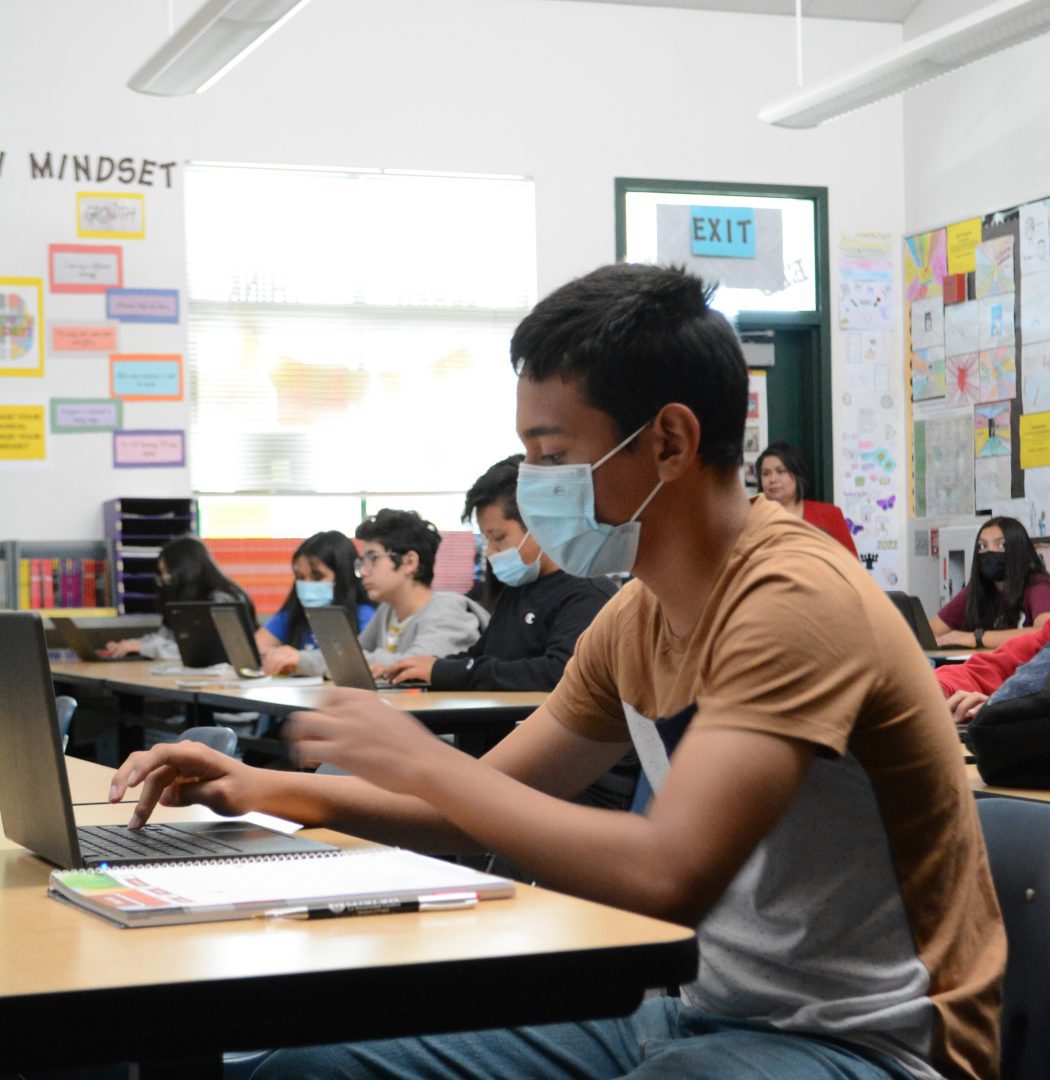
Students in classroom, Livingston Middle School, Livingston, CA.
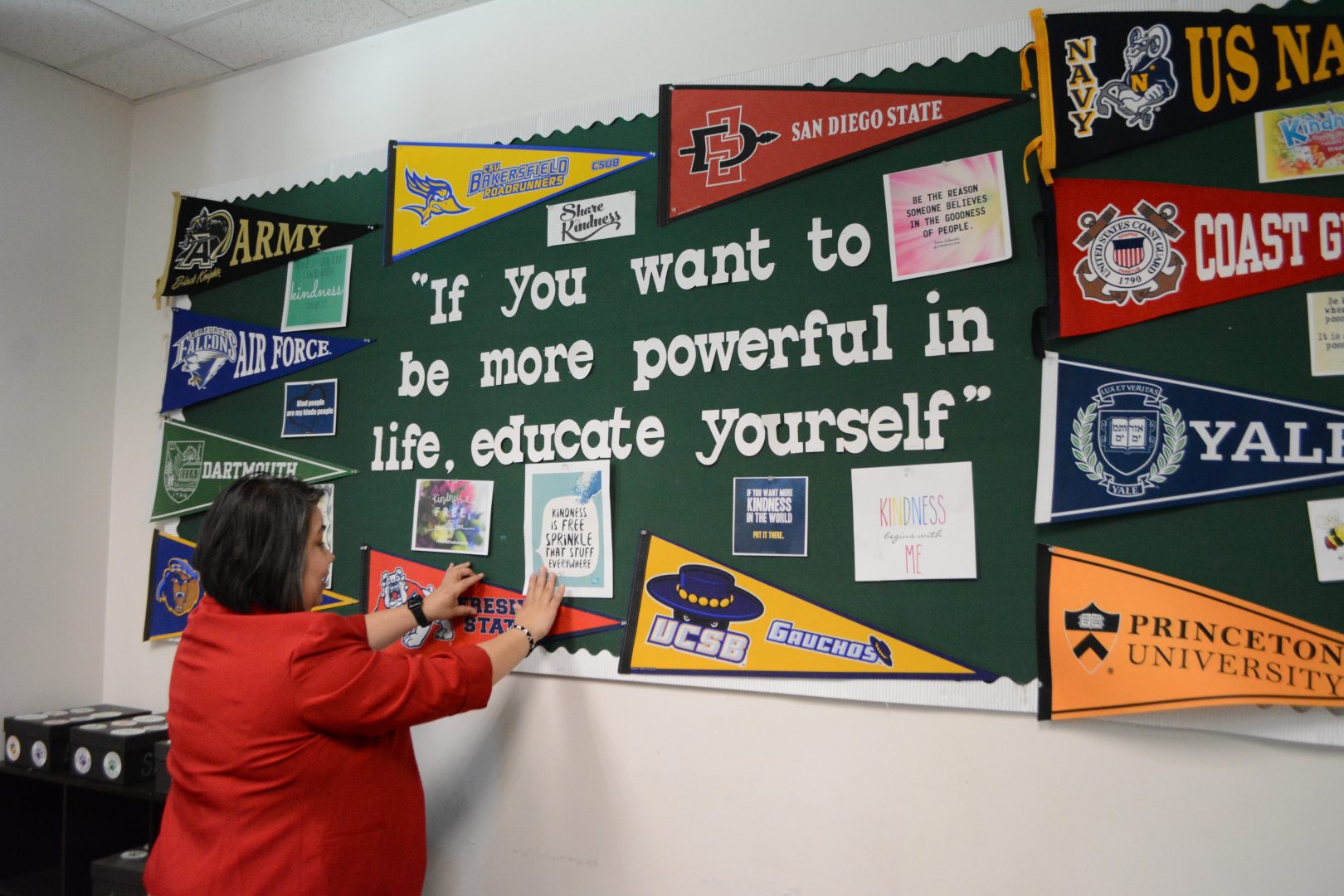
Lead Counselor Alma Lopez adding college flag to a bulletin board, Livingston Middle School, Livingston, CA.
There has been a decrease in students’ [mis]behavior. We don’t have as many students in the office anymore. I remember the first year I started, we used to have a lot of students in the office during recess time, now that's not the case. They go to the office because they fell and they need ice for a health issue, not for a behavior issue. The positive community that we have started to build in this school has made a big change from what I have been able to see.”– Livingston USD instructional resource teacher
Where can we enhance and what can we improve and do differently? There's been a number of things, but we were able to look at the kids who had greater need, and what could we do and how can we best support [them], which has been providing a more intentional evidence-based curriculum to the students … whether it's [a] small group or one-on-one, and then getting additional information into the hands of our teachers who are working with the kids every day.”– Livingston USD Lead Counselor Alma Lopez
Recommendations
1. Prioritize sustained funding for comprehensive counseling programs statewide.
2. Establish and strengthen school counselor role clarity and collaborative structures.
3. Implement data-driven counseling models responsive to school & community needs.
4. Promote adaptability and equity-focused practices within counseling programs.
5. Establish formal state mechanisms for scaling up promising student-centered strategies.
“[We need to] continue to adapt [the resources] and look for opportunities that we can expand services to be even more strategic because while we have general needs, we still have greater needs like foster youth, newcomers, English learners, youth that have very unique needs that really warrant having people focus directly on that.”
– Livingston USD Superintendent Andrés Zamora
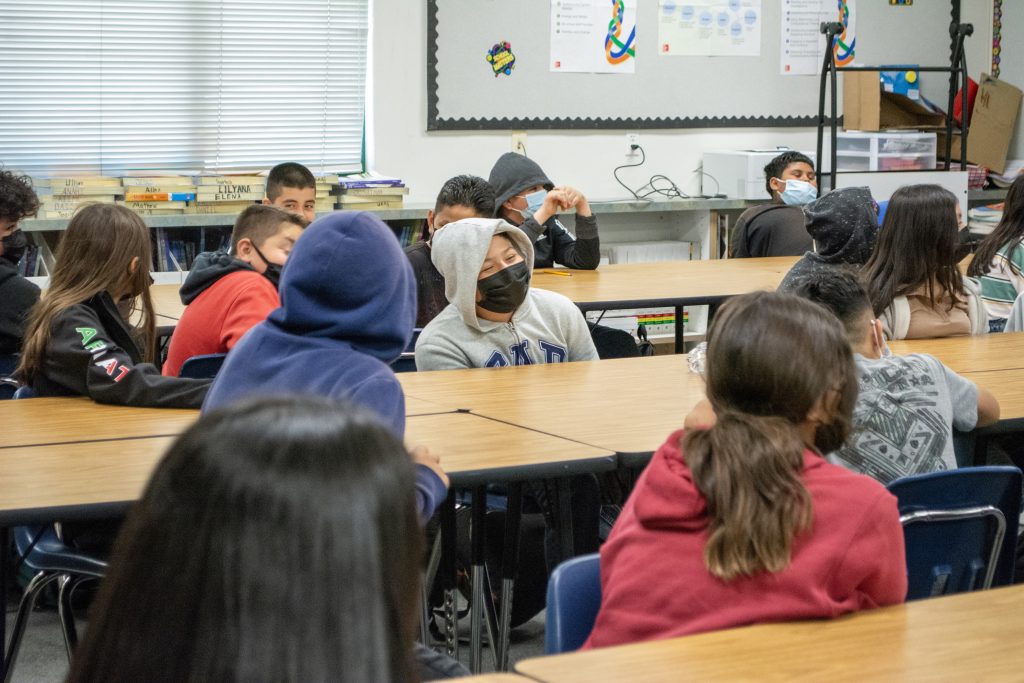
Caption: Students in classroom, Livingston Middle School, Livingston, CA.
“We all play a certain role and [understand] each other’s roles and how we complement each other. How it’s important to stay in this lane, but then other times it’s important to know how to merge nicely with one another because all of the students in Livingston are our students, right? And all of the students in California are our students, right? I think helping teams understand that within our local community, but then [also within] that bigger community.”
– Livingston USD Lead Counselor Alma Lopez
Related Work