Highly Mobile Youth
About the Project
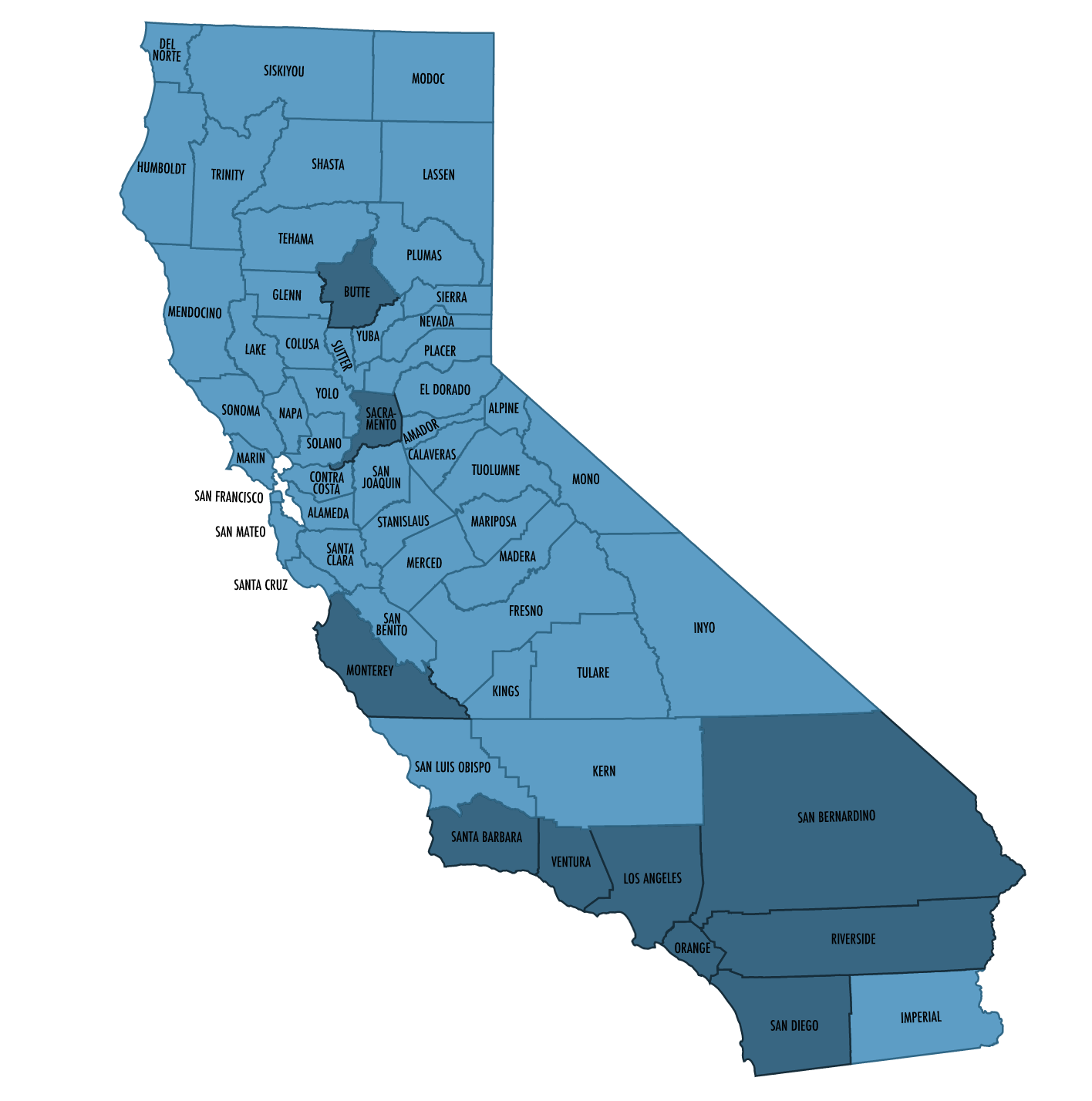
CTS is partnering with WestEd on a study to assess the needs and patterns of highly mobile youth in several geographic regions across the United States. These student populations include youth experiencing homelessness, youth in foster care, youth impacted by the juvenile justice system, and migratory youth.
We seek to understand the similarities and differences between the characteristics of highly mobile youth across the United States and uplift models that are most effective at serving young people who are historically furthest from opportunity. The research intends to identify positive outcomes that can inform policies, funding, and practices at the state and local levels and help multiple child-serving agencies consider how to improve systems integration, cross-sector collaboration, and resource coordination to ensure more equitable student learning and well-being outcomes.
Read the announcement.
Publications
Often Overlooked but Not Unseen: An Overview of Highly Mobile Youth in the U.S.
In the 2021-22 school year, nearly 2 million Highly Mobile Youth (HMY) in the U.S. faced instability that disrupted their education, health, and future opportunities. This diverse group—including youth experiencing homelessness, those in foster care, migratory students, and youth involved in the juvenile legal system—frequently encounter systemic barriers like poverty, language challenges, and neighborhood violence. This brief sheds light on the challenges across student groups, emphasizes the disproportionate impact on Black and Brown youth, and provides targeted recommendations to address their urgent needs.
Advancing Educational Stability, Continuity, and Success: A Policy Agenda for Highly Mobile Youth in the U.S.
This policy brief, developed in collaboration with WestEd, outlines a forward-looking agenda to better support HMY through federal and state policy. Building on our initial overview, it addresses how current systems fall short in meeting the complex needs of HMY—particularly in the wake of COVID-19 and ongoing policy shifts in 2025. The brief offers concrete strategies to create more equitable, responsive systems that prioritize stability, opportunity, and well-being for HMY nationwide.
1.37 Million and Rising: Understanding the National 25% Spike in Student Homelessness
This national brief explores a record-setting rise in student homelessness across the U.S.—a 25% increase since the pandemic, impacting nearly 1.4 million students. Building on our prior research on highly mobile youth, this publication highlights national patterns and equity gaps, especially for Black and Latine students who are overrepresented among those experiencing homelessness. The brief underscores how housing instability intersects with other challenges—like disability, language access, and system involvement—and outlines federal and cross-sector priorities to create more stable, inclusive educational systems that promote student success.
Highly Mobile Youth: How State Policy and Local Implementation Can Work Together to Support Youth
This case study, developed in partnership with WestEd, examines how two states, Colorado and Washington, are designing cross-sector systems to better support highly mobile youth. Through interviews with state agency leaders and nonprofit community partners, the case study highlights how policy, data sharing, and collaboration across education, housing, and human services can improve identification, coordination, and stability for youth experiencing homelessness, foster care, migration, and juvenile justice involvement.