Scaling Equity: Unfulfilled Promises and Lessons From California’s MTSS Initiative
Summary
What does it take to transform school systems to better serve every student—especially during unprecedented challenges?
California has invested millions to transform how schools support students—now we know what works, what doesn’t, and what’s next.
CTS has served as the lead research partner in California’s Multi-Tiered System of Support (CA MTSS) Phase II pilot—an ambitious 5-year, $15 million initiative aimed at building integrated systems of academic, behavioral, and social-emotional supports across schools.
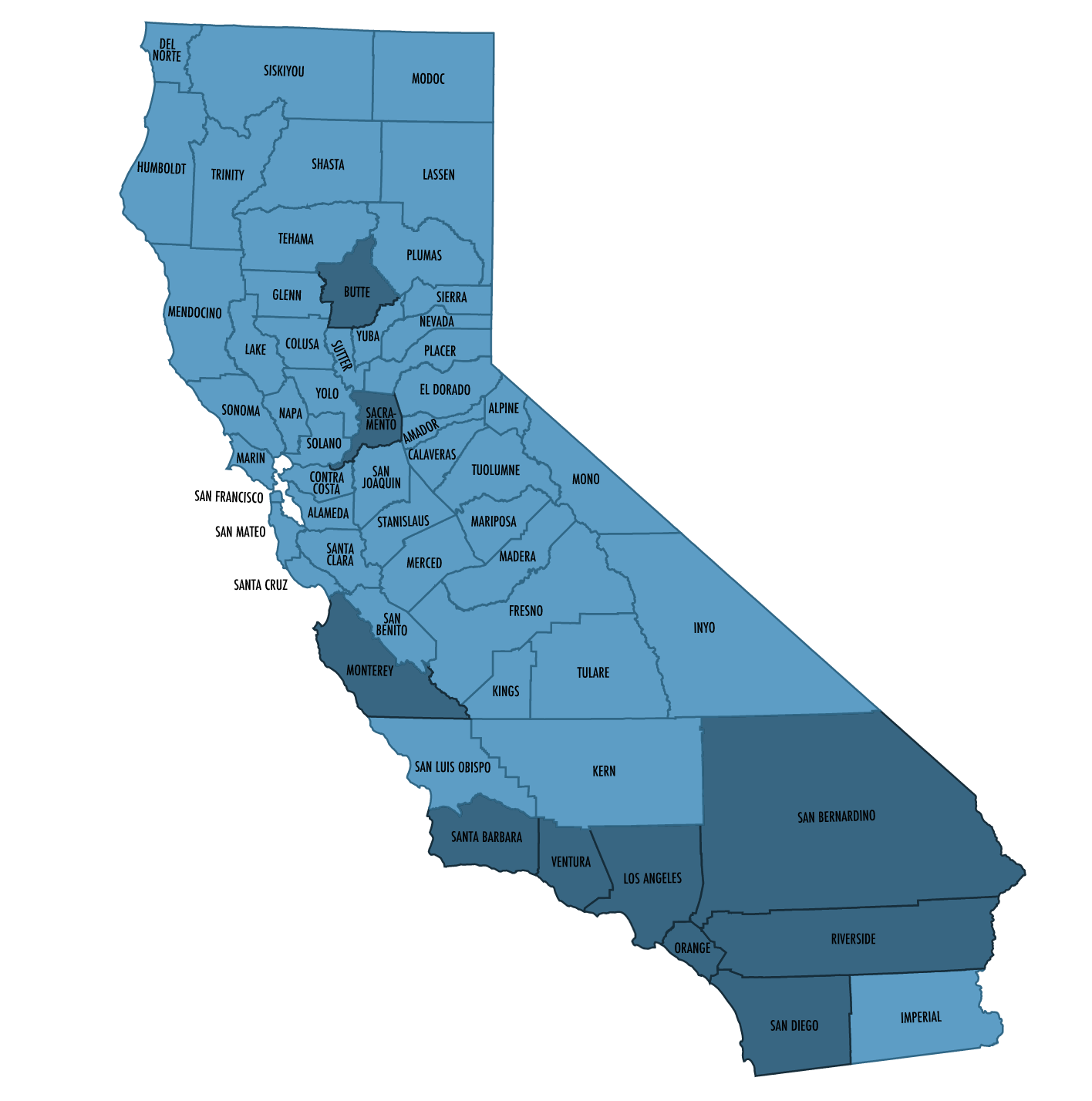
CTS conducted research, including interviews with over 60 school and district leaders, to understand implementation and impact of CA MTSS on student learning and school climate outcomes like attendance and suspensions. This final report reveals critical insights from 35 school sites across California, highlighting the promise and challenges of scaling systems of support—especially amid state wildfires, policy shifts around school discipline, and the disruptions of COVID-19.
The findings offer timely guidance for state and local equity efforts, including the transition to the $4.1 billion California Community Schools Partnership Program, and a call for culturally responsive implementation, data-driven decision-making, and sustained investment in student-centered practices.
Findings
Baseline Data: Key Themes
In the first year of data collection, we identified themes across three key focus areas: problems of practice, implementation strategies, and common challenges.
Problems of Practice
1. Developing a positive school culture
2. Fostering social-emotional competence
3. Establishing consistent and sustainable practices
Implementation Strategies
1. Utilizing the CA MTSS framework to more comprehensively organize the implementation of other programs and practices
2. Implementing and building upon behavior programs and social-emotional learning
3. Developing school identity through an inclusive process
Common Challenges
1. Developing school-wide buy-in and self-efficacy
2. Building effective school-family connections
3. Providing social-emotional support for teachers
Pilot Years (2018-2023): Key Themes
Four key themes emerged across the five years of implementation:
1. Positive Relationships Are Essential
Building strong relationships—in schools, with families, and with community partners—was key in identifying gaps, improving support systems, and advancing more effective, equity-driven MTSS strategies.
2. Local Context
When school leaders grounded their work in the realities of their local context—like community needs, race, and competing priorities—they saw stronger buy-in, clearer goals, and more effective MTSS implementation.
3. Governance and Sustained Leadership
Strong, diverse school site teams and sustained leadership contributed to the success of CA MTSS implementation, especially when schools prioritized collaboration, student voice, and shared responsibility for problem-solving.
4. Disaggregated Data Use
Using disaggregated data was essential in identifying student needs, addressing inequities, and guiding honest conversations that helped schools implement CA MTSS more effectively.
Recommendations
1. Prioritize staffing and capacity to ensure fidelity in implementation.
2. Ensure that competing priorities or requirements of state initiatives aren’t overly burdensome for practitioners to balance.
3. Prioritize predictable and sustainable funding for school sites over one-time dollars for initiatives.
4. Center efforts to address racial disparities holistically and intentionally.
5. Align and integrate efforts.
6. Allow time to build meaningful relationships in and across schools and communities.
Quotes from Principals
“We struggle to keep up with the level of social and emotional needs that exist here on our campus. This year, I told our staff that if we don’t address the social-emotional piece, the other stuff is never going to happen. The academics and all the other stuff are not going to come.”
– Principal [on social-emotional supports]
“We’ve done whole-class restoratives with about five teachers this year that have shown an impact. Those teachers have requested to go to training themselves for restorative practices. We’ve done a whole staff training around restorative practices and how it is not just giving kids a pass, because that was a big misconception.”
– Principal [on behavior supports]
“We have noticed patterns of targeted groups that are struggling both with behavior and academics. This is why culturally linguistically relevant teaching is important.”
– Principal [on race-based inequities]

“Whether our teachers feel connected to our kids, we still have a portion of our population that doesn’t feel connected to an adult on campus. Next year, that will be our focus, and to help support that, we are going to do a [staff] book study on culturally and linguistically relevant teaching styles and strategies.”
– Principal [on academic supports]

“We have noticed patterns of targeted groups that are struggling both with behavior and academics. This is why culturally linguistically relevant teaching is important.”
– Principal [on race-based inequities]
“Whether our teachers feel connected to our kids, we still have a portion of our population that doesn’t feel connected to an adult on campus. Next year, that will be our focus, and to help support that, we are going to do a [staff] book study on culturally and linguistically relevant teaching styles and strategies.”
– Principal [on academic supports]

“We struggle to keep up with the level of social and emotional needs that exist here on our campus. This year, I told our staff that if we don’t address the social-emotional piece, the other stuff is never going to happen. The academics and all the other stuff are not going to come.”
- Principal [on social-emotional supports]

“We’ve done whole-class restoratives with about five teachers this year that have shown an impact. Those teachers have requested to go to training themselves for restorative practices. We’ve done a whole staff training around restorative practices and how it is not just giving kids a pass, because that was a big misconception.”
- Principal [on behavior supports]
“We struggle to keep up with the level of social and emotional needs that exist here on our campus. This year, I told our staff that if we don’t address the social-emotional piece, the other stuff is never going to happen. The academics and all the other stuff are not going to come.”Principal [on social-emotional supports]
“We’ve done whole-class restoratives with about five teachers this year that have shown an impact. Those teachers have requested to go to training themselves for restorative practices. We’ve done a whole staff training around restorative practices and how it is not just giving kids a pass, because that was a big misconception.”Principal [on behavior supports]
Related Work