
Often Overlooked but Not Unseen: An Overview of Highly Mobile Youth in the U.S.
Introduction
There were nearly 2 million highly mobile youth (HMY) in the United States in the 2021-22 school year.
These youth—including those experiencing homelessness, in foster care, migratory students, and those involved in the juvenile legal system—face compounded challenges that disrupt their education, health, and future opportunities.
This brief uncovers the urgent needs of these underserved populations, highlighting the systemic barriers they encounter, from poverty and language barriers to neighborhood violence and childhood trauma. The research underscores the disproportionate impact on Black and Brown youth and calls for targeted interventions to provide the support they deserve.
Key Findings
Racial Disparities: Black and Latine Youth are Overrepresented Among HMY
Black and Latine youth are disproportionately represented among HMY, with Black youth comprising 13.8% of the U.S. child population but 25% of homeless students, 22% of foster youth, and 42% of those in the juvenile legal system, while Latine youth make up 26% of the child population but 39% of homeless students.
Intersecting Educational Challenges: English Learner and Disability Disparities Among HMY
HMY have higher rates of English Learner status and special education needs, with those in child welfare and the juvenile legal system identified for special education services at up to 7x the rate of their peers.
Regional Variations Among HMY
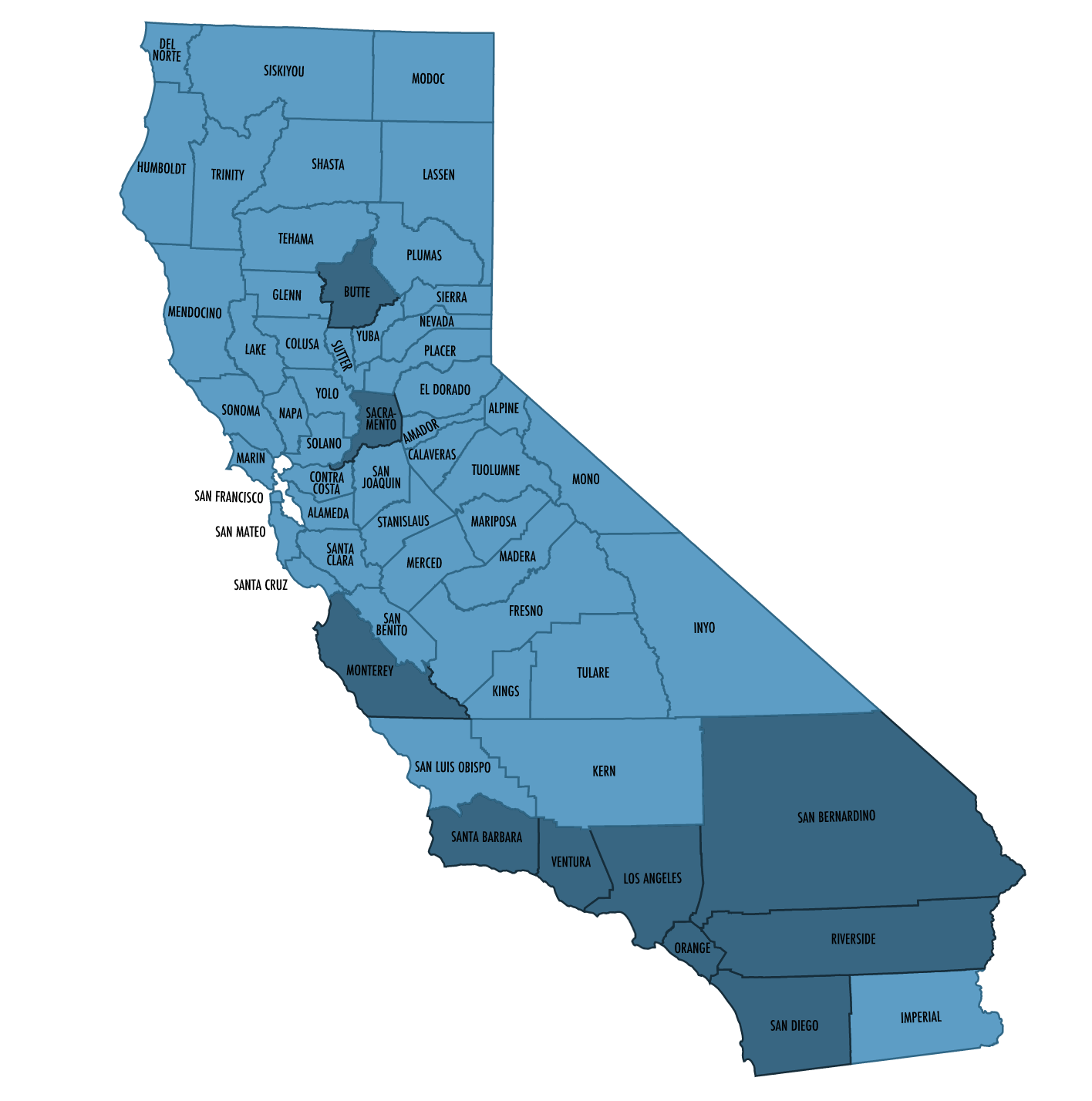
HMY are unevenly distributed across the U.S., with the highest concentrations in California, Texas, and Florida, driven by socioeconomic conditions, housing affordability, migration patterns, and access to services.
Trends in HMY Group Counts From 2013 to 2022
The number of students experiencing homelessness and youth in foster care peaked in 2017-18 before steadily declining, while migrant students and juvenile legal system-involved youth have consistently decreased over the past decade.
Age Distribution and Concentration Among HMY
HMY groups vary by age, with foster care involving mostly young children (72% ages 0-12), the juvenile legal system primarily older youth (99% ages 13-20), and homeless and migrant students evenly split between elementary and secondary levels.
Migratory Youth: An Underserved and Disenfranchised HMY Group
Migrant students, primarily the children of Latine farmworkers, face systemic barriers, disrupted education, and exploitative labor conditions, making them one of the most underserved HMY groups.
Racial and Gender Disparities Among Dual-System Youth
Black youth are disproportionately represented in dual-system populations at more than twice the rate of single-system populations, while girls under 18 are the fastest-growing segment, underscoring the need for gender-specific interventions.
Homelessness Among CWS- and JLS-Involved Youth
Youth in foster care face significantly higher homelessness rates (11–38%), and studies confirm strong links between homelessness and juvenile legal system involvement.
Data Limitations in National Data Sources
National data on HMY suffers from inconsistencies in collection, definitions, and reporting, with gaps in critical metrics and longitudinal tracking, limiting the ability to assess their needs and outcomes effectively.
Recommendations
Our findings revealed inconsistent data collection and reporting across systems and states, making it difficult to identify and support HMY. This highlights the need for stronger national data and cross-system collaboration. Our recommendations:
Develop centralized and integrated data systems to allow for better tracking of all HMY as they move across systems, regions, and states. This will improve service delivery and outcome monitoring.
Standardize data collection and reporting processes across state and federal systems to solidify data exchange processes among all HMY-serving systems (e.g., child welfare, state education agencies, juvenile legal system).
Expand data categories to close disparities in education, health, and well-being among HMY by capturing more comprehensive information, such as mental health diagnoses, early parenthood, and chronic absenteeism.
Use consistent definitions of HMY across state and federal agencies to reduce state-to-state discrepancies in terms of how HMY are defined.
Invest in longitudinal data collection to better understand the long-term effects of mobility, homelessness, and experiences within child-serving systems on the education, health, and well-being outcomes of HMY.
Prioritize upstream strategies that focus on prevention, systemic change, and early interventions such as training for educators and social workers, expanding affordable housing programs, and providing targeted mental health resources.
Related Work