School Instability Among Foster Youth in Los Angeles County: Risk Factors and Perspectives of the County’s Transportation Initiative
Introduction
Many foster youth face school instability due to frequent home placements that impact their academic and socioemotional well-being.
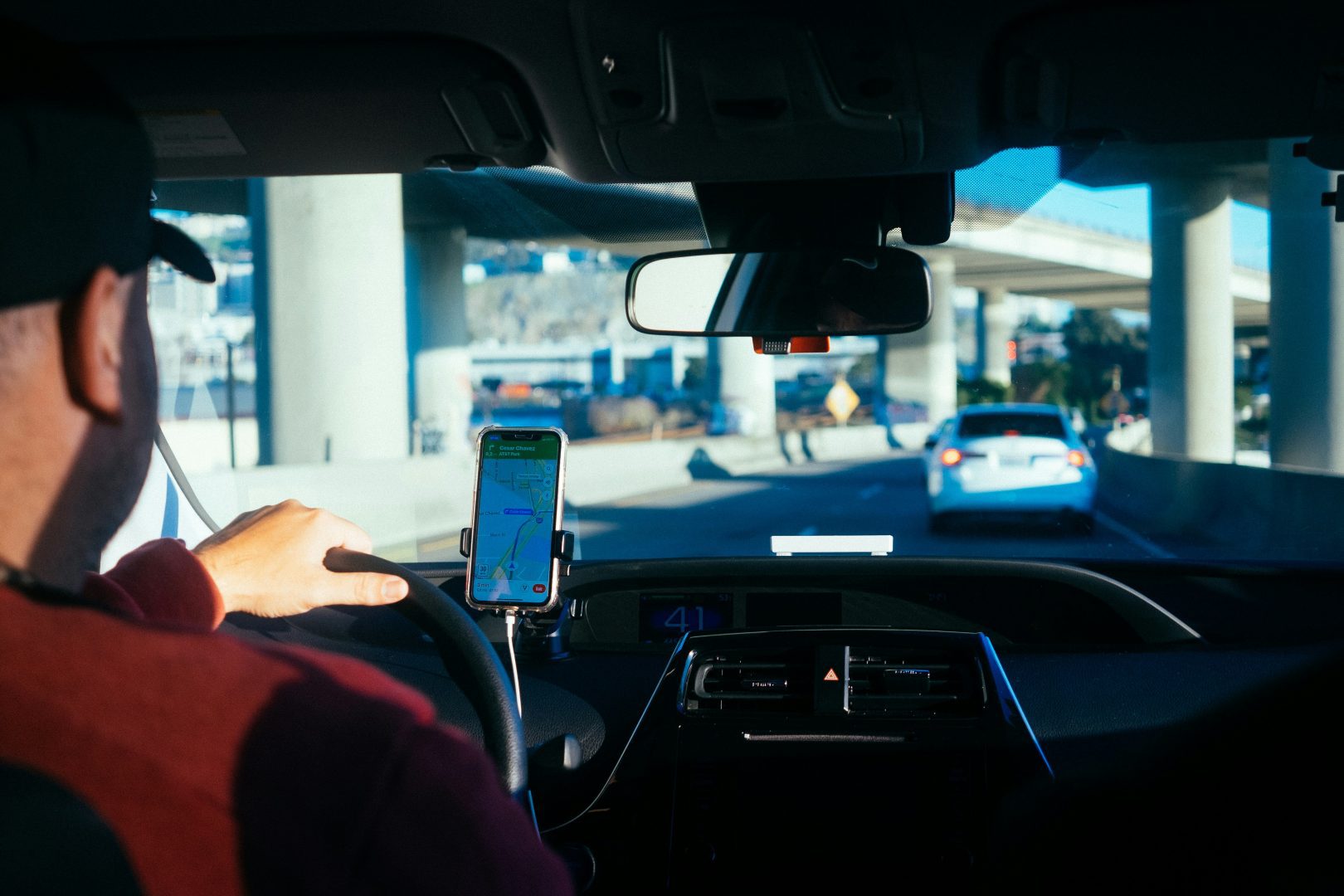
To address this, Los Angeles County implemented a transportation initiative using a private transportation service to help foster youth stay in their school of origin despite challenges of distance and funding.
Our study explores how this program works, the barriers it faces, and the critical role transportation plays in preventing school disruptions. We explore the program’s impact and potential solutions to support foster youth in their educational journeys.
Key Findings
Most students in foster care used a private transportation service for three months to cover distances of about 10 miles.
Costing school districts on average $4.8K for 90 rides over three months, the expense is significantly higher than the $250 transportation reimbursement available to foster families, raising concerns about the long-term sustainability of using the service for student transportation.
School instability disrupts continuity for students in foster care.
Staying in the same school is crucial for foster youths’ academic and emotional stability. Caregivers and teachers observed that students who remained in their school of origin stayed on track with their schoolwork and built strong relationships. The transportation initiative allowed students to stay with friends, graduate on time, and maintain a stable routine, supporting both their academic success and emotional well-being.
A foster youth liaison said:
“Well, definitely keeping kids in their school of origin and providing that stability for the children [is beneficial]. I think even for kids that are having a difficult time with their behavior and academically at their school of origin, it’s providing them that stability because we’re able to follow through [and monitor their progress].”
The transportation initiative provides convenience and flexibility and contributes to school stability for foster youth.
Without reliable transportation for students to their school of origin, caregivers struggled to manage the needs of multiple children and other responsibilities, especially when placements were far from the school. County staff and school district supervisors emphasized that many caregivers, despite reimbursement programs, are unable or unwilling to handle the transportation burden, making the initiative essential for overcoming logistical challenges.
A school district foster unit supervisor said:
“I remember when I was in this 12 years ago, ‘We’re going to start paying parents for mileage 62 cents.’ That didn’t change one bit my foster parents’ attitudes. It’s about convenience…. If you want to know what a social worker of 21 years thinks, the solution is, the LA County Department of Children and Family Services (DCFS) should be investing money in recruitment of [more foster] families…. We have very [few] families, so that’s why kids have to move or why we have to pay for a very expensive cap.”
The transportation initiative helps foster youth to have a sense of agency, self-efficacy, and control over their choices.
Caregivers noted that reliable transportation helped foster youth advocate for themselves, with one parent observing that staying in their school of origin motivated their child to stay focused. District officials observed that the service made foster youth feel valued, boosting their self-esteem and encouraging greater participation and academic success.
One resource parent said:
“[Staying in her school of origin] kept her motivated and incentivized to remain in a familiar environment. She changed her ways and remained focused. She continues to thrive in every aspect of her life. It provided a sense of control to make some decisions in her life.”
Stakeholders have real concerns with the fiscal sustainability of the transportation initiative.
The high cost of transportation for foster youth, particularly the private transportation service is a major concern for stakeholders, as it far exceeds the reimbursements provided to resource caregivers. District staff expressed frustration over costs that can reach $10-$15K annually per student, with additional challenges when students attend a school in a different district. They stressed the need for consistent and sustainable funding to ensure long-term feasibility.
A director said:
“But I’ve heard people say before [that] more funding and staffing support [are needed] for the extra work around this…. Both the LA County Department of Children and Family Services (DCFS) and the districts have raised this, but I think it’s more so on the district side, the need for sustainable state funding for this effort…. A lot of the districts are using their Local Control and Accountability Plans, [their Local Control Funding Formula] funds to fund this.”
Better collaboration, communication, and information-sharing is needed between schools and child welfare systems about foster care placement changes.
There’s a clear need for better communication between schools and child welfare when foster care placements change. Delays in notifying schools lead to foster children being disenrolled and missing school while transportation is arranged. Some districts avoid establishing a memoranda of understanding (MOUs) with child welfare, which would ensure funding for transportation like the private service, resulting in gaps in attendance and delays in getting students back to school.
A district staff member said:
“And then the bigger issue is, at least in LA County, the onus is on the child welfare department to let the school know that there’s [been a] change…. I [would] say the biggest issue is the lack of communication…. because we find out when a kid leaves [their school of origin] way after.”
Recommendations for State and Local Officials and School Staff
While school stability is crucial for foster youth, transportation challenges often make it difficult to achieve.
L.A. County’s transportation initiative helped maintain stability but it has been costly for districts. Adequate funding and better coordination between schools and child welfare agencies are needed to support foster youth and prevent disruptions from midyear moves.
1. Examine the best interests determination (BID) process to make sure that it is blind to the need for additional transportation.
There should be a renewed effort to evaluate whether staying in their school of origin is in the best interest of foster youth, ensuring that all voices are heard in the BID process and that transportation costs don’t lead to unnecessary school changes.
2. Allocate more funding to school of origin transportation services.
Districts could strategically target funds to support foster youth most at risk of disruptive midyear moves, such as those in the last two years of high school, students moving after March, those with IEPs, or those with a history of trauma.
3. Increase staff who are well trained and informed on students in foster care.
District and DCFS administrators should ensure schools have dedicated, well-trained staff like social workers, foster youth liaisons, and counselors who are focused on the educational rights and socioemotional needs of foster youth.
4. Provide foster caregivers with resources and adequate support.
School and DCFS officials should offer ongoing support to caregivers to help manage the socioemotional needs of youth, which can reduce caregiver burnout and the frequency of placement and school changes.
5. Strengthen district and DCFS collaboration.
Collaboration between school districts and child welfare agencies, specifically between social workers and school administrators, should be strengthened. Social workers should inform schools of pending changes and involve the educational rights holder in decisions, while schools should ensure coordinated transportation to minimize absenteeism.
Related Work