Building a Robust Bilingual Teacher Workforce for California: Teacher Preparation for Dual Language Immersion Programs
Introduction
Is California prepared to meet the growing demand for bilingual teachers?
As Dual Language Immersion (DLI) programs expand across the state, this new study examines how district and university leaders are preparing bilingual educators — and whether the current teacher pipeline can meet Global California 2030’s ambitious goals and approaching deadline.
Findings highlight key gaps in teacher preparation and supply, as well as unequal access across regions. The brief identifies opportunities to strengthen the bilingual teacher pipeline that will better support high-quality implementation statewide.
What is Global California 2030?
An initiative for half of K-12 students in California to participate in programs leading to proficiency in two or more languages by 2030.
Findings
High-quality DLI teacher preparation requires more than language proficiency; it demands deep expertise in bilingual pedagogy, culturally sustaining practices, and extensive, supervised classroom experience.
California has strengthened its bilingual teacher preparation standards, introducing required clinical practice and clearer expectations for effective dual-language instruction.
Despite stronger state standards, gaps persist between policy and practice, with inconsistent implementation and limited accountability across preparation programs and districts.
Wide variation in program design, limited access to quality field placements, and shortages of experienced mentors continue to hinder the preparation of well-qualified DLI teachers.
“We want these candidates to complete the whole student teaching experience in a DLI classroom. Currently, we’re not there for many reasons. We don’t have enough clinical coaches, we don’t have supervisors…”
— University-based program leader
California has issued approximately 9,500 bilingual authorizations over the past decade, but supply and demand vary widely by region, and the current pipeline is likely insufficient to sustain significant DLI expansion.
Meeting Global California 2030 goals will require thousands of new bilingual teachers, and the current supply may not be able to meet the demand.
While preparation programs can produce enough bilingual teachers overall, the pipeline is constrained by geographic gaps in program access, cost barriers, and uncertain DLI placement opportunities.
“We have a non-profit that’s linked to the school district. The idea is to keep around people who are already established in our community, in our school district, and have already expressed an interest in education, helping support them on that pathway. The District Educational Foundation, our non-profit, gave scholarships to 4 or 5 individuals to help support them on that teaching journey…”
— Rural district administrator
Beyond supply and demand, staffing and seniority rules limit districts’ ability to reassign non-BILA teachers when converting schools to DLI, creating an additional barrier to expansion, especially at the secondary level.
Challenges & Opportunities
Teaching in two languages presents unique challenges for teacher preparation.
Teacher preparation standards have improved, but evaluation and enforcement have not kept pace.
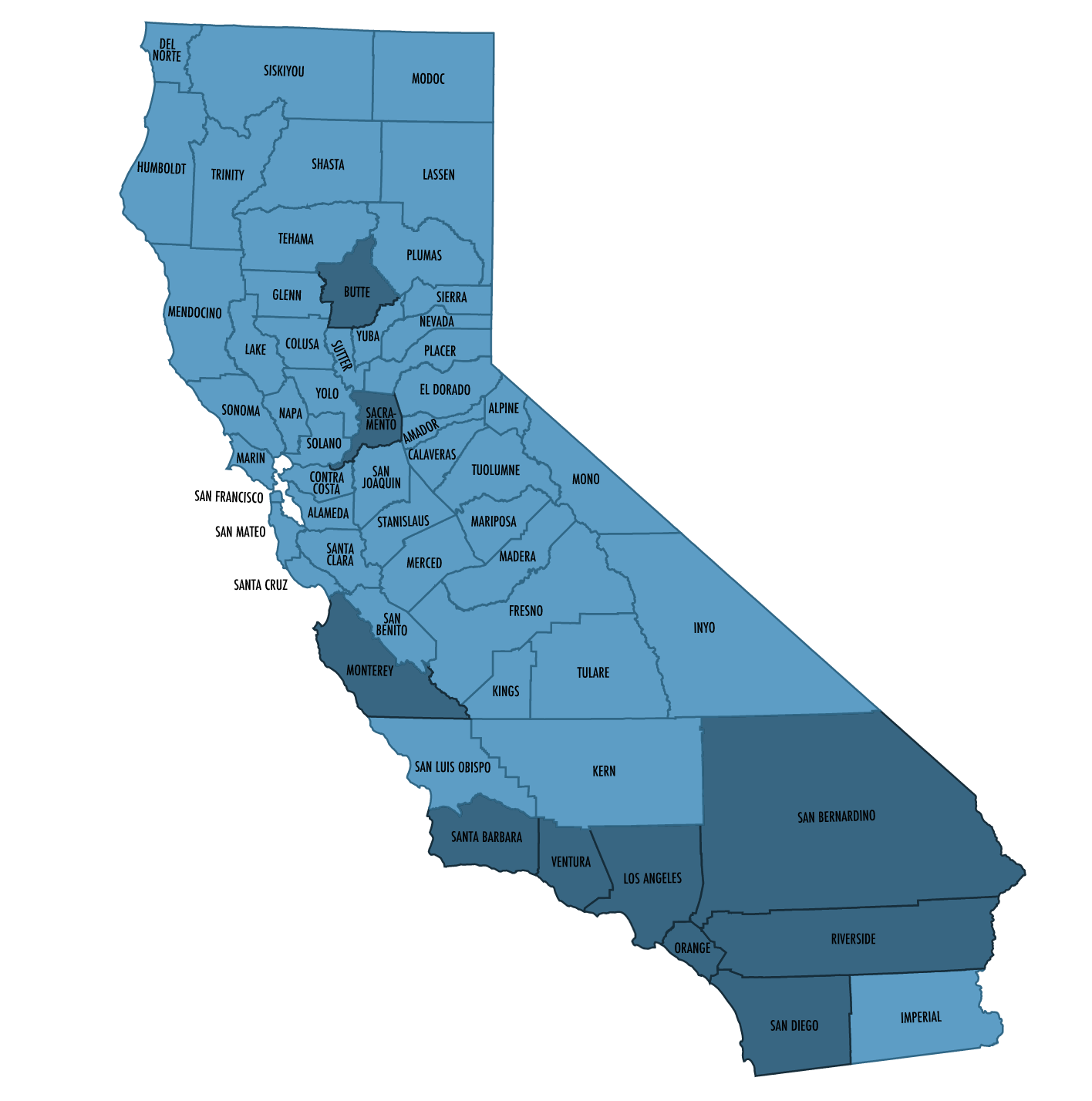
Bilingual teacher shortages are geographic, not statewide.
University- and district-based teacher preparation pathways face different pressures.
Staffing friction is structural, not just numerical.
Sustainable funding remains a persistent concern.
California cannot accurately assess progress toward its multilingual education goals because key data are not publicly available.
How Stakeholders Address These Challenges:
Building supply
Districts and universities have created multiple pathways: grow-your-own programs in large districts, nonprofit-funded scholarships in rural areas, and hybrid university programs reaching preparation “deserts.”
Ensuring teacher preparedness
Districts have built their own screening tools, including partner-language interviews and demonstration lessons.
Allocating teachers
To navigate staffing friction, districts most often rely on emergency permits — a short-term fix that doesn’t build sustainable bilingual capacity.
Recommendations
Address geographic gaps in teacher preparation.
Sustain financial support for candidates, especially heritage speakers.
Move from grant-based to formula-based DLI funding.
Build a quality-assurance infrastructure for BILA programs, and strengthen the infrastructure for field experience and clinical preparation.
Close the publicly available data gap.
Provide districts with tools to manage staffing transitions.
Fund research on bilingual teacher preparation pathways.
Related Work