Greater Los Angeles Community Schools Regional Transformational Assistance Center (R-TAC) 2023-24 Impact Report
Introduction
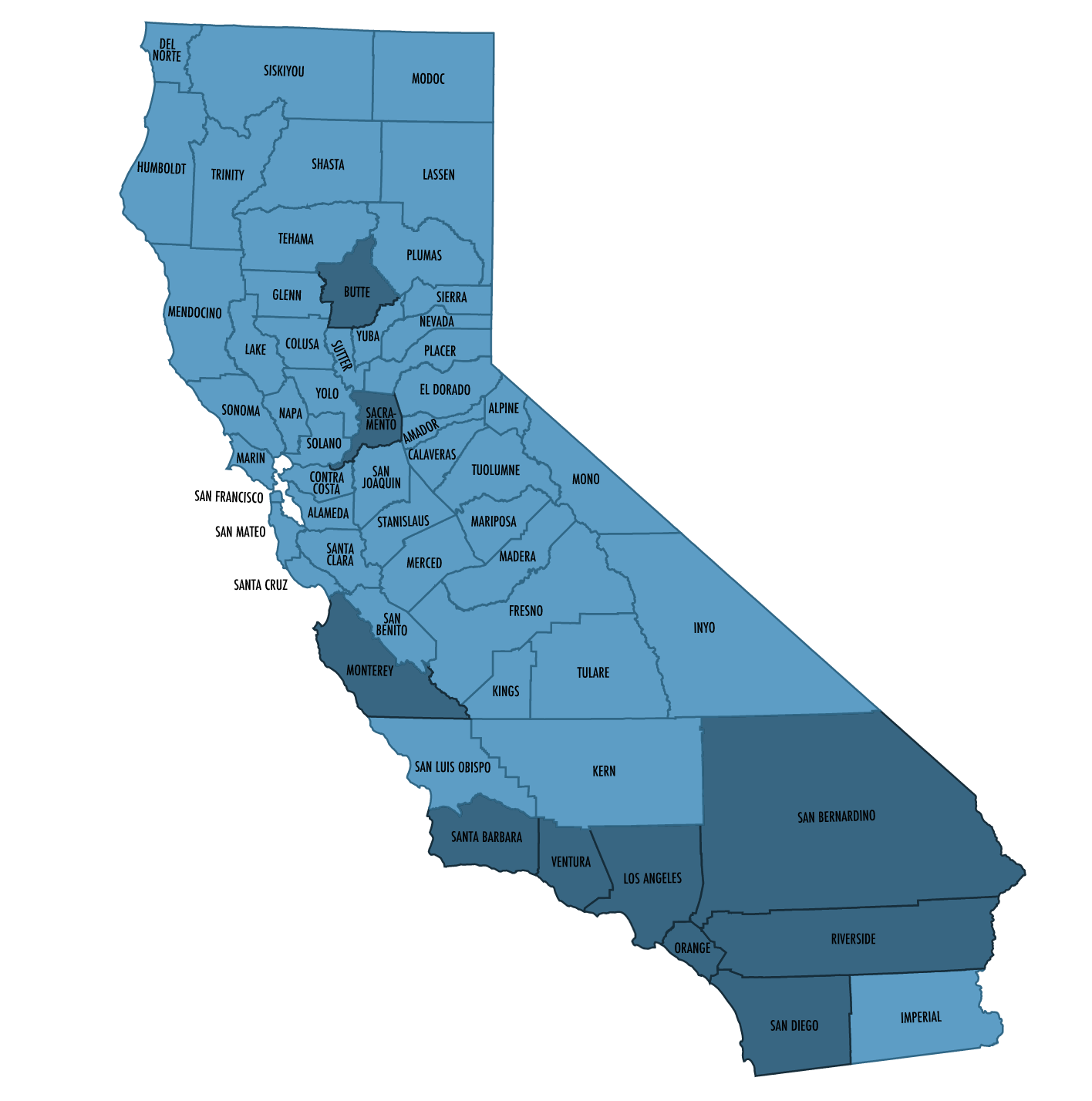
The Greater Los Angeles R-TAC led in partnership by the Los Angeles County Office of Education (LACOE) Community Schools Initiative, The L.A. Trust for Children’s Health, and the UCLA Center for the Transformation of Schools (CTS) supports schools and districts across Los Angeles County in implementing California’s Community Schools Framework. As one of eight Regional Transformational Assistance Centers across the state, the R-TAC provides coaching, technical assistance, and professional learning opportunities that help educators, families, and community partners advance equity, strengthen student well-being, and build systems of support responsive to local needs.
This first annual Impact Report (2023–24) highlights the foundational year of the Greater Los Angeles R-TAC documenting early progress, emerging themes, and priorities for school years to come. The report captures lessons learned from the field, including the importance of cross-agency collaboration, authentic family engagement, and capacity-building for sustainable implementation. It outlines key considerations to guide improvement and deepen support for community schools throughout the region.
Findings
Effectiveness of Learning Opportunities
R-TAC’s Communities of Transformational Practice sessions and site visits reached over 1.3K attendees, deepening understanding of California’s Community Schools Framework.
Participants valued practical tools, peer learning, and real-world examples on collaborative leadership and community partnerships, and requested more time for networking and applied discussion.
Targeting Support Based on Annual Progress Report Self-Reflections
Analysis of grantee self-reflections showed most sites in early “visioning” or “engaging” stages, with notable growth in shared commitment, leadership, and partnerships. Findings underscore the need for continued coaching to help schools move from foundational understanding toward sustained transformation.
Technical Assets and Needs Assessment
Survey data revealed strong overall knowledge of the CCSPP Framework, but ongoing demand for resources to sustain staffing, build partnerships, and center community-based learning. Top requested supports included parent leadership development, mental-health services, and social-emotional learning programs.
Emerging Themes to Support Integration of CCSPP Framework and Collaboration
Focus groups highlighted three priorities for deeper implementation: more accessible resources for applying the Framework’s pillars, clearer role definitions among LACOE, S-TAC, and R-TAC, and expanded opportunities for in-person collaboration and cross-district learning.
Considerations
Adapting Greater Los Angeles R-TAC Learning Opportunities
Future sessions should offer more tailored content, flexible scheduling, and practical examples, especially around policy alignment and health partnerships, to strengthen engagement and relevance for grantees.
Targeted Technical Support and Guidance
The R-TAC will continue refining its technical assistance through region-specific supports with a focus on sustaining staff, expanding partnerships, and addressing community wellness needs. Priorities include more virtual assistance, strategic funding guidance, and stronger school-community connections.
Alignment of School-Site Goals and Self-Reflection Practices
Grantees demonstrated steady progress aligning CCSPP implementation with LCAP goals. As schools advance from visioning to transforming, continued emphasis on coherence, data-driven reflection, and shared leadership will be key to achieving lasting systems change across the region.